The Immortal Ensemble: A Deep Dive into the Cast of The Vampire Diaries
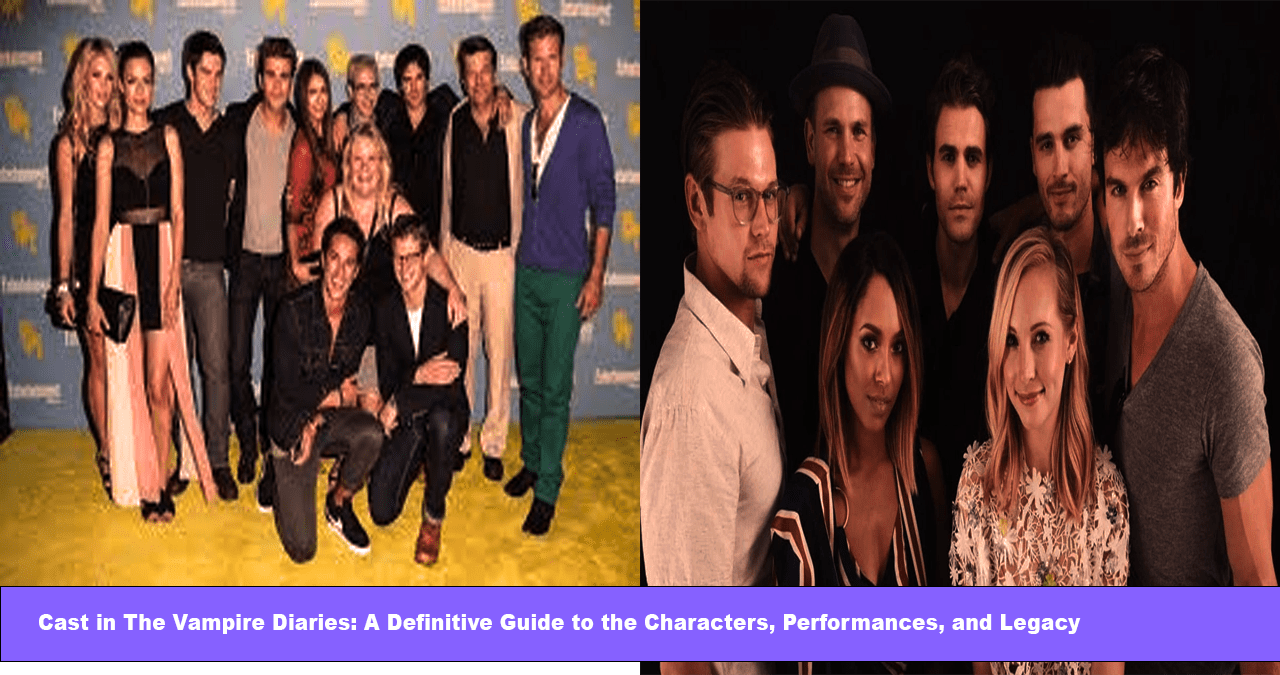
The cultural phenomenon of The Vampire Diaries is inextricably linked to the actors who brought Mystic Falls to life. This guide explains the intricate tapestry of performances, character arcs, and off-screen dynamics that made the series a landmark in supernatural television. We move beyond simple filmography to explore how the cast in The Vampire Diaries served as the beating heart of the show, transforming archetypal characters into deeply beloved figures. This resource helps readers understand the casting alchemy, the evolution of performances over eight seasons, and the real-world impact on the careers of its sprawling ensemble. Whether you’re a longtime fan revisiting the saga or a newcomer curious about its enduring appeal, this comprehensive analysis provides the definitive look at the people behind the supernatural drama.
Executive Summary: The success of The Vampire Diaries hinges not on a single star, but on the synergistic power of its ensemble cast. This article provides a strategic, practical, and historical analysis of that cast, from the foundational trio of Ian Somerhalder, Paul Wesley, and Nina Dobrev to the pivotal supporting players and memorable guest stars. We examine casting decisions that defined characters, trace how actor contributions shaped narrative arcs, and address the show’s navigation of major changes, including a lead actor’s departure. Furthermore, we explore the professional legacy of the series, detailing the career paths it launched and its permanent place in the modern gothic television canon. This is a holistic study of the human element that turned a vampire romance into a global franchise.
The Foundational Trinity: Stefan, Damon, and Elena
The central love triangle was the engine of The Vampire Diaries, and its power derived entirely from the specific chemistry and interpretations of its three leads. The cast in The Vampire Diaries was anchored by the dynamic between Paul Wesley’s Stefan Salvatore, Ian Somerhalder’s Damon Salvatore, and Nina Dobrev’s Elena Gilbert. This wasn’t merely a case of filling roles; it was about finding actors who could embody the internal conflict of centuries-old vampires and the moral compass of a human teenager, making their intertwined fates believable and compelling.
Paul Wesley brought a profound, melancholic restraint to Stefan, the “good” brother tormented by his ripper past. His performance was often internalized, communicated through pained glances and a measured calm that could shatter into terrifying violence. In contrast, Ian Somerhalder’s Damon was all charismatic id—smirking, provocative, and unpredictable. Somerhalder injected a dark humor and palpable vulnerability beneath the bravado, ensuring Damon was never a mere villain but a fractured soul on his own path to redemption. Nina Dobrev’s task was arguably the most challenging: making Elena Gilbert, the archetypal “good girl,” relatable and strong. Dobrev excelled at conveying Elena’s resilience, empathy, and growing agency, while also brilliantly differentiating her from the ancient, vengeful doppelgänger, Katherine Pierce, a performance that showcased her impressive range.
A common user problem arises when new viewers perceive these characters as simple tropes—the brooding hero, the bad boy, the innocent heroine. This surface reading misses the nuance the actors provided. Wesley constantly hinted at the monster beneath Stefan’s gentlemanly facade. Somerhalder allowed glimpses of Damon’s 1864-era heartbreak. Dobrev made Elena’s choices, however frustrating to some audiences, feel emotionally authentic. The solution to understanding the show’s initial grip is to view these performances as deliberate deconstructions of genre stereotypes, with the actors adding layers of trauma, humor, and evolution that fueled eight seasons of drama.
Key Takeaway: The show’s foundation was secured by the lead trio’s ability to transcend supernatural archetypes, injecting complex humanity and explosive chemistry into the core love triangle.
The Expanding Universe: Supporting Pillars and Fan Favorites
While the Salvatore brothers and Elena drove the plot, the world of Mystic Falls gained depth, humor, and heart from its formidable supporting cast in The Vampire Diaries. These actors took characters who could have been sidekicks or obstacles and turned them into indispensable, fan-adored pillars of the series. Their contributions expanded the show’s emotional and thematic scope, moving it beyond a central romance into an exploration of friendship, family, and supernatural community.
Kat Graham’s Bonnie Bennett stands as one of the most significant evolutions. Initially the “best friend” witch, Graham fought for and portrayed Bonnie’s strength, sacrifice, and moral fortitude with unwavering conviction. She became the undeniable moral center of the show, with Graham delivering powerful performances in arcs that saw Bonnie repeatedly suffer and persevere, earning her character a legendary status among fans. Similarly, Candice King’s Caroline Forbes underwent a radical transformation from a judgmental, neurotic teen to a fierce, compassionate vampire and eventual leader. King masterfully balanced Caroline’s signature control-freak tendencies with a deep, evolving warmth, making her journey of self-acceptance profoundly resonant.
The men of the supporting cast provided additional anchoring points. Steven R. McQueen’s Jeremy Gilbert evolved from a troubled teen to a seasoned supernatural hunter, his grounded performance providing a vital human connection. Michael Trevino’s Tyler Lockwood portrayed the rage and struggle of the werewolf curse with raw physicality and pathos. Most notably, Matt Davis as Alaric Saltzman transitioned from a vampire-hunting history teacher to a beloved, alcoholic vampire himself, and finally a resurrected human and father figure, with a sardonic wit and weary gravitas that made him a consistent audience favorite.
Key Takeaway: The show’s longevity and richness are owed to its deep bench of supporting talent, who built a believable community around the core trio and earned their own dedicated fanbases through compelling character arcs.
The Art of Doppelgängers and Dual Roles: A Showcase of Actor Range
One of the most distinctive narrative devices in The Vampire Diaries was the doppelgänger, and it served as the ultimate showcase for the range of its cast. This wasn’t just about playing two characters; it was about creating distinct, instantly recognizable individuals who shared a face, often within the same scene. The technical and artistic skill required elevated the show and became a hallmark of its identity.
Nina Dobrev’s work is the most celebrated example. Her delineation between the compassionate, sometimes-guileless Elena and the cunning, sensual, and vicious Katherine Pierce was a masterclass. She employed subtle shifts in posture, vocal cadence (Katherine’s slightly accented, purring confidence versus Elena’s earnest American cadence), and even eye movement to create two entirely separate entities. When the ancient sorceress Amara and the 20th-century traveler Tatia were introduced, Dobrev added further subtle distinctions, proving her remarkable versatility. Paul Wesley also rose to the challenge, first with the emergence of Silas, the immortal, mischievous original doppelgänger of Stefan. Wesley relished the chance to play against type, infusing Silas with a weary, nihilistic humor and a completely different physicality, before later tackling the role of Stefan’s darker alter-ego, the Ripper, in various eras.
For viewers, a common point of confusion or fascination is understanding how these dual roles were executed so seamlessly. In practice, it involved rigorous technical planning—using body doubles, precise eyeline markers, and split-screen technology—paired with the actor’s meticulous preparation to switch between psychological mindsets instantly. The success of these storylines relied entirely on the audience believing the characters were different people, a testament to the actors’ skills that prevented the gimmick from feeling repetitive or cheap.
Key Takeaway: The doppelgänger narratives transcended plot device status to become celebrated acting showcases, demanding and highlighting the extraordinary range of the series’ leads, particularly Nina Dobrev.
Villains and Guest Stars: The Characters Who Raised the Stakes
A compelling hero is defined by the quality of their antagonists, and The Vampire Diaries featured a rogues’ gallery of memorable villains brought to life by exceptional guest and recurring actors. These performers, often entering an already-established ensemble, had the challenge of quickly establishing a formidable presence and distinct mythology. Their success was critical in driving seasonal arcs and testing the core cast in The Vampire Dias in new ways.
The inaugural season’s villain, the vampire Katherine Pierce, was so effective she became a recurring force, but other actors left indelible marks in shorter spans. David Alpay’s Professor Shane was a quiet, manipulative presence whose fanaticism unleashed the Hunters. Claire Holt and Nathaniel Buzolic, as the Original vampire siblings Rebekah and Kol, brought a regal, ancient petulance and lethal charm that directly led to the successful Originals spin-off. However, the pinnacle of vampire villainy was arguably achieved by Joseph Morgan as Klaus Mikaelson. Morgan crafted a character of terrifying power, artistic sensibility, and profound vulnerability. His performance was a mesmerizing blend of chilling menace, witty barbs, and shocking flashes of pathos, making Klaus a villain audiences loved to fear and, eventually, to empathize with. His impact was so profound it spawned the first spin-off.
Later seasons introduced threats like the chaotic Travelers, the predatory Heretics, and the devilish Sirens, each requiring actors to embody new forms of supernatural menace. These roles provided opportunities for actors like Maisie Richardson-Sellers and Jodi Lyn O’Keefe to create memorable, complex adversaries that prevented the show’s conflict from becoming stagnant.
Key Takeaway: The series’ episodic tension and seasonal arcs were powered by a succession of high-caliber actors in villainous roles, each bringing unique charisma and threat that expanded the show’s mythology and challenged the heroes in compelling ways.
Navigating a Watershed Moment: The Departure of a Lead
Perhaps no event tested the resilience and adaptability of the cast in The Vampire Diaries more than the departure of Nina Dobrev at the end of the sixth season. Dobrev’s exit, as the central human anchor and love interest for both Salvatore brothers, represented a narrative earthquake. It forced a fundamental creative shift and posed a critical question: Could the show, and its remaining ensemble, survive the loss of its female lead?
The writers and actors responded not by replacing Elena, but by redistributing her narrative functions and deepening existing relationships. Candice King’s Caroline and Paul Wesley’s Stefan, whose friendship had been a long-running subplot, were gradually developed into a central romantic pairing. This “Steroline” arc allowed both actors to explore new emotional territory—Stefan’s struggle with commitment and Caroline’s desire for a epic, human-like love story. Similarly, the platonic, profound bond between Damon and Bonnie, forged in their season-six prison world ordeal, became a cornerstone of the final seasons. Ian Somerhalder and Kat Graham cultivated a chemistry built on mutual grief, sarcastic banter, and deep loyalty, giving fans a compelling, non-romantic relationship to root for.
This transition addresses a major user concern: whether the final seasons are worth watching after a lead’s departure. While the tone inevitably shifted, the remaining cast demonstrated their strength as an ensemble. The narrative pivoted to explore mature themes of loss, legacy, and found family, with characters like Matt Donovan (Zach Roerig) and Alaric gaining prominence. The solution presented was one of evolution, not replacement, proving the show’s world was bigger than any single character.
Key Takeaway: The show’s successful navigation of a lead actor’s departure demonstrated the depth of its ensemble and its ability to evolve, focusing on character bonds that had been nurtured for years to fuel its concluding chapters.
From Mystic Falls to the World: The Career Legacy of the Cast
The role of a lifetime often typecasts an actor, but the cast in The Vampire Diaries has, in large part, successfully leveraged their platform into diverse and sustained careers. The show served as a global launching pad, and its alumni have navigated post-vampire life with varying strategies, from pursuing indie film projects to leading new television series and building entrepreneurial ventures.
Ian Somerhalder has focused heavily on environmental activism and entrepreneurship, launching a sustainable brand and leveraging his platform for conservation. Paul Wesley has moved strongly into directing (including episodes of The Vampire Diaries and Legacies) and production, while choosing nuanced roles in series like Tell Me a Story that deliberately subvert his “Stefan” image. Nina Dobrev has balanced mainstream studio films with independent projects, showcasing her range in comedies, dramas, and thrillers. Kat Graham has forged a multi-hyphenate path as a musician, film actress, and advocate. Candice King has explored music, podcasting, and family life while making selective acting appearances.
The spin-off franchise, The Originals and Legacies, directly provided continued employment and growth for actors like Joseph Morgan, Daniel Gillies, Phoebe Tonkin, Danielle Rose Russell, and Matt Davis, allowing them to explore their characters over additional seasons. This ecosystem is a testament to the show’s generative power.
Consider exploring the filmographies of these actors to see how they have consciously stretched their talents. For instance, Paul Wesley’s turn as a ruthless, complex rockstar in Tell Me a Story is a stark departure from Stefan Salvatore, showcasing his deliberate career curation.
Key Takeaway: The series acted as a powerful career springboard, with its cast members strategically diversifying into directing, production, activism, music, and selective acting roles to build lasting, multifaceted careers beyond the supernatural genre.
The Intangible Chemistry: Off-Screen Dynamics and Fandom Culture
The authenticity of on-screen relationships is often reflective of off-screen rapport, and the bonds within the cast in The Vampire Diaries became a significant part of the show’s allure and marketing. Fan conventions, social media interactions, and behind-the-scenes footage revealed genuine friendships, professional respect, and a palpable sense of esprit de corps that enriched the viewing experience and fostered an incredibly passionate global fandom.
The central friendship between Ian Somerhalder, Paul Wesley, and Nina Dobrev, despite the complexities of their characters’ love triangle, was heavily documented. Their camaraderie in interviews and at events sold the authenticity of the Salvatore brothers’ conflict and love. The strong female friendship between Nina Dobrev, Candice King, and Kat Graham translated into a supportive sisterhood that fans admired. These real-world connections allowed for more natural, layered performances; the history and trust between the actors informed moments of conflict, comfort, and romance on screen.
Frances Burrell: A Deep Dive into the Unsung Pioneer of Modern Wellness and Self-Care Philosophy
This dynamic directly fueled fan engagement. If you’re deciding between shows with similar premises, the verifiable off-screen chemistry of a cast can be a deciding factor for long-term investment. It suggests a positive working environment that often yields better performances and more consistent character development. The TVD fandom’s dedication was sustained not only by plot twists but by a genuine interest in the actors themselves, their friendships, and their growth—a phenomenon amplified by the rise of social media during the show’s run.
Key Takeaway: The authentic off-screen friendships and professional respect among the cast created a synergistic energy that enhanced on-screen chemistry and played a crucial role in building and sustaining one of television’s most dedicated fan communities.
A Comparative Analysis: Core Cast Character Arcs and Defining Traits
To understand the collective achievement of the cast in The Vampire Diaries, it is useful to examine the transformative journeys of key characters side-by-side. The table below contrasts their starting points, core conflicts, evolutionary drivers, and ultimate endpoints, highlighting the narrative range the actors had to navigate.
| Character (Actor) | Initial Archetype | Core Internal Conflict | Catalyst for Evolution | Final State |
|---|---|---|---|---|
| Stefan Salvatore (Paul Wesley) | The Tortured, “Good” Brother | Suppressing the “Ripper” monster within; guilt over past atrocities. | Love for Elena & Caroline; responsibility to protect Mystic Falls; accepting his darkness. | Finds peace and a human afterlife with his true love, reuniting with Lexi. |
| Damon Salvatore (Ian Somerhalder) | The Charismatic, “Bad” Brother | Self-loathing masked by hedonism; belief he is unworthy of love or redemption. | Unconditional love from Elena; brotherly bond with Stefan; friendship with Bonnie. | Achieves humanity, marries Elena, lives a human life, and dies of old age to reunite with her. |
| Elena Gilbert (Nina Dobrev) | The Mourning, “Good” Girl | Grief over her parents; balancing her humanity with the supernatural world. | Becoming a vampire; losing her brother; the love of the Salvatore brothers; taking the cure. | Takes the cure, becomes human, marries Damon, lives a full life, and is eventually reunited with him. |
| Bonnie Bennett (Kat Graham) | The Loyal Best Friend & Witch | Carrying the immense burden of her psychic and witchcraft heritage; constant sacrifice. | Repeatedly dying and being resurrected; her friendship with Damon; embracing her power as a Bennett witch. | Becomes the powerful, balanced Anchor to the Other Side (later freed), traveling the world. |
| Caroline Forbes (Candice King) | The Type-A, Judgmental Perfectionist | Insecurity and a need for control stemming from a dysfunctional family life. | Becoming a vampire and embracing its gifts; her mother’s death; her loves (Tyler, Stefan, Alaric). | A confident vampire, mother to Alaric’s twins, and eventual co-headmaster of the Salvatore School. |
Key Takeaway: This structured comparison reveals the extensive, personalized character journeys each actor portrayed, moving from familiar archetypes to complex individuals through trauma, love, and supernatural change.
The Directing and Producing Pipeline: Cast Members Behind the Camera
A less discussed but vital aspect of the cast in The Vampire Diaries legacy is their contribution from behind the camera. Several key actors stepped into directing and producing roles, demonstrating a deep investment in the show’s creative direction and developing skills that have shaped their post-series careers. This transition from performer to storyteller is a mark of a truly engaged ensemble.
Paul Wesley became the most prolific director from the cast, helming multiple episodes of The Vampire Diaries, its spin-off Legacies, and other series. His perspective as an actor who had lived in Stefan’s skin for years brought an intimate understanding of the characters and tone. Ian Somerhalder also directed episodes, bringing his characteristic energy and visual ideas to the process. More significantly, many cast members, including Somerhalder, Wesley, and Dobrev, served as producers in later seasons, giving them a voice in narrative development and character arcs.
From hands-on use of this pipeline, the show benefited from a unique insider perspective. An actor-director understands how a scene might play emotionally, how to communicate with fellow performers, and the pacing required for dialogue-heavy supernatural exposition. This practice created a collaborative, mentor-rich environment on set, particularly for newer actors joining in later seasons. It also provided the cast with a tangible career progression, ensuring they were not just employees but creative stakeholders in the world they helped build.
Key Takeaway: The show fostered a creative environment where actors could expand into directing and producing, enriching the series with performer-informed storytelling and providing the cast with invaluable career development opportunities.
The Enduring Resonance: Why This Cast Still Captivates
Years after the series finale, conventions continue to sell out, social media fandoms remain active, and re-watches thrive on streaming platforms. The enduring resonance of The Vampire Diaries is a direct function of the lasting impression left by its cast. Their performances created characters that feel like old friends (or delightfully complicated exes) to a global audience, transcending the early-2010s television landscape to achieve a classic status.
The characters’ struggles, despite their supernatural context, were profoundly human: grief, addiction, the search for redemption, the pain of love, and the definition of family. The cast delivered these universal themes with a commitment that made the fantasy believable. As one critic observed, “The true magic of The Vampire Diaries wasn’t in the spells or the transformations, but in the cast’s ability to make immortal beings feel heartbreakingly, relatably human. They anchored the fantasy in emotional truth.” This emotional truth is what fans return to.
Furthermore, the show arrived at a perfect cultural moment, as social media allowed fans to engage with the actors and each other in real-time, creating a participatory culture. The cast’s willingness to engage with fans at events and online cemented a lasting bond. In an era of fleeting content, the deep, eight-season investment in these characters and the actors who portrayed them created a unique sense of ownership and belonging within the fandom.
Key Takeaway: The cast’s commitment to emotional authenticity forged a deep, lasting connection with audiences, transforming the show from a trending teen drama into a enduring piece of genre television with a perpetually active fan community.
Actionable Insights for Aspiring Performers and Fans
The journey of the *cast in The Vampire Diaries offers more than just entertainment; it provides practical insights into the craft of acting, the nature of television production, and the dynamics of fandom. Whether you’re an aspiring performer, a writer, or a dedicated fan, there are tangible lessons to be gleaned from their collective experience.
For Aspiring Actors: Study the range demonstrated within a single role. Nina Dobrev didn’t just play Elena; she crafted distinct beings for Katherine, Amara, and Tatia. Notice how physicality (posture, gaze) and vocal choices (pace, pitch, accent) can create entirely different people. Observe the importance of ensemble work—the show’s success was a team effort, and supporting actors like Kat Graham and Candice King built iconic characters through consistent, committed choices that expanded their roles over time.
For Writers and Creators: Understand the value of actor-proofing your characters with clear motivations, but also be open to collaboration. The charisma Ian Somerhalder brought to Damon likely encouraged writers to expand his redemption arc. The chemistry between actors can and should inform plot development, as seen with the rise of “Steroline” and “Bamon.”
For Fans Analyzing Media: Look beyond the surface of character types. Appreciate the actor’s craft in adding subtext—the guilt in Stefan’s eyes, the vulnerability in Damon’s smirk, the steel in Bonnie’s resilience. Recognize that a show is a living entity; an actor’s departure or a tonal shift doesn’t necessarily ruin it, but can force creative evolution that yields new, valuable dynamics.
Key Takeaway: The series serves as a rich case study in sustained character development, actor collaboration, and audience engagement, offering practical lessons for anyone interested in the creative industries or media analysis.
Conclusion: An Immortal Legacy Forged in Performance
To discuss The Vampire Diaries is to discuss its people. The series’ journey from breakout hit to enduring classic was paved by the talent, dedication, and chemistry of the extraordinary cast in The Vampire Diaries. They took a premise rich with genre tradition and infused it with a modern, emotional vitality that resonated with millions. From the foundational trinity to the last guest star, each performer contributed to a sprawling, interconnected tapestry of supernatural drama that felt, at its core, intensely human.
Their work extended beyond the screen, shaping careers, defining a generation of genre television, and fostering a global community. They navigated unprecedented fame, monumental plot twists, and the challenges of a long-running series with professionalism and visible affection for the story they were telling. The legacy of Mystic Falls is not merely one of vampires, witches, and werewolves, but of the actors who made us believe in them, care for them, and mourn them. In the end, the true immortal element of this universe is the performances themselves, forever preserved in the canon of television history, waiting to be discovered by each new wave of viewers.
Frequently Asked Questions (FAQ)
What is the central appeal of the cast in The Vampire Diaries?
The central appeal lies in the ensemble’s exceptional chemistry and their ability to bring deep humanity to supernatural archetypes. The actors forged believable, complex relationships—romantic, platonic, and familial—that made the fantasy emotionally grounded. Their off-screen camaraderie further enhanced the authenticity of their on-screen connections, creating a cohesive and captivating world that audiences invested in for eight seasons.
Did any actors from The Vampire Diaries almost play different roles?
Yes, several casting near-misses shaped the show. Ian Somerhalder initially auditioned for the role of Stefan Salvatore, but the producers saw him as the perfect Damon. Similarly, Nina Dobrev read for the part of Caroline Forbes before being cast as Elena Gilbert. These decisions proved fateful, as the actors’ ultimate alignments with their characters became iconic and defined the series’ dynamic.
How did the cast handle the intense fan scrutiny, especially regarding the central love triangle?
The cast, particularly Nina Dobrev, Paul Wesley, and Ian Somerhalder, handled fan “shipping” wars with notable professionalism and humor. They consistently emphasized the strength of their off-screen friendship and deferred to the writers’ vision, never fueling rivalry. They acknowledged the passion of the fans while maintaining a united front, which helped navigate the often-intense scrutiny surrounding “Team Stefan” versus “Team Damon.”
Which cast members have remained the closest since the show ended?
While many retain friendly connections, some of the most publicly visible close friendships are between Candice King and Kat Graham, who frequently collaborate and socialize, and Paul Wesley and Ian Somerhalder, who have partnered on business ventures like their bourbon brand. The bond between the original trio also appears enduring, with Dobrev making guest appearances on Somerhalder’s and Wesley’s social media.
What was the most challenging scene or storyline for the cast to film?
Actors have cited various challenges, but common themes emerge. Emotionally, filming the goodbye scenes in the season six finale as Nina Dobrev departed was cited as particularly difficult for the entire cast. Physically, scenes involving the supernatural “vampire speed” or extensive fight choreography required rigorous training. For Nina Dobrev, performing opposite herself in doppelgänger scenes was a technically and mentally demanding process requiring immense focus.