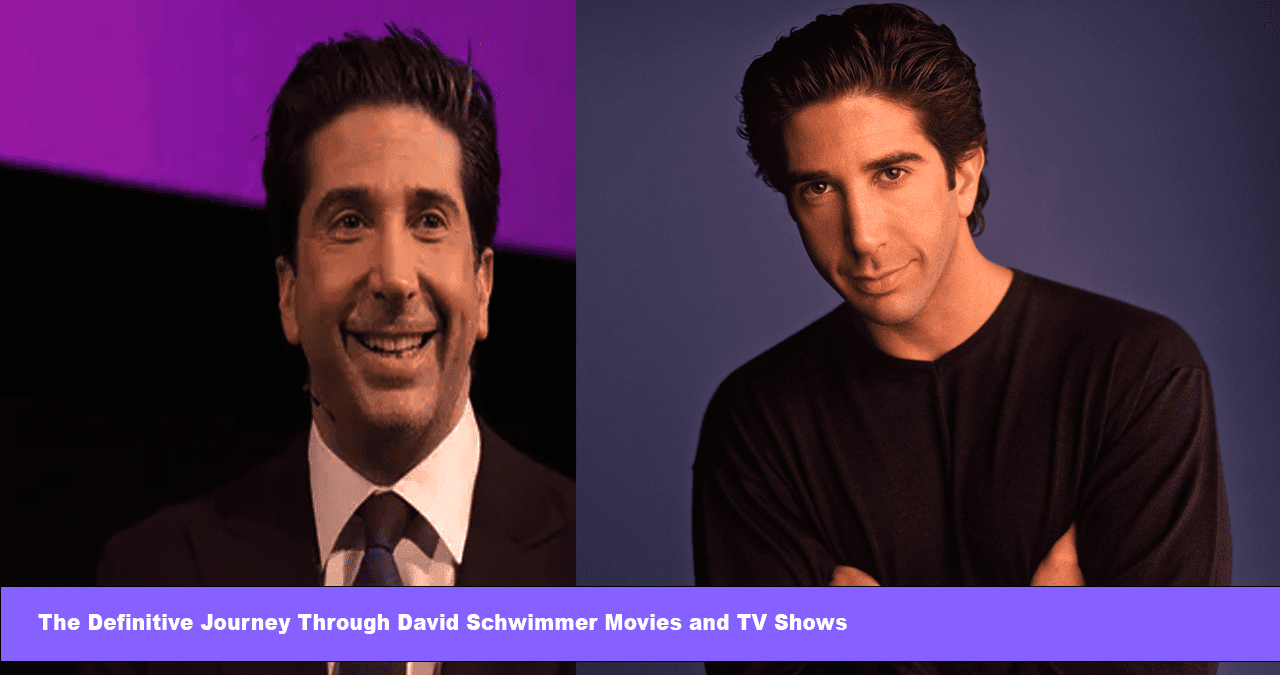
David Schwimmer’s name is forever etched in the annals of pop culture history, a fact that often overshadows the depth and breadth of a career built on far more than a single defining role. When people hear his name, they instantly picture Ross Geller, the lovably neurotic paleontologist from the global phenomenon Friends. That association is a testament to his skill and the show’s enduring legacy. However, to confine Schwimmer’s professional identity to Central Perk is to miss a compelling narrative of an actor who has deliberately and thoughtfully navigated the treacherous waters of mega-fame. His career is a study in artistic intention, a conscious effort to balance blockbuster sitcom success with gritty theater productions, nuanced voice work, serious dramatic turns, and a respected foray into directing. This exploration of David Schwimmer movies and TV shows reveals an artist constantly challenging himself, using his platform for creative and philanthropic causes, and crafting a body of work that is as intriguing as it is varied. The journey through his filmography and television appearances is a map of an actor who understood the weight of his early fame and chose to build a career on his own terms, seeking substance and creative satisfaction beyond the blinding spotlight.
From his early days with Chicago’s famed Lookingglass Theatre Company, which he co-founded, to his meticulous preparation for the role that would make him a household name, Schwimmer has always approached his craft with a seriousness that belies the often-comedic nature of his most famous work. His film choices post-Friends are particularly revealing, often opting for smaller, character-driven projects over big-budget paychecks. His television work, too, extends far beyond the bounds of NBC’s Thursday night lineup, encompassing miniseries, anthology shows, and voice performances that showcase his versatility. Furthermore, his work behind the camera as a director on Friends, in film, and on other television series adds a critical dimension to his artistic profile. An analysis of David Schwimmer movies and TV shows is not merely a list of credits; it is an examination of a career managed with intelligence and integrity, demonstrating that it is possible to be part of a cultural tsunami and still maintain a dignified, multifaceted artistic path. He leveraged his fame not for mere celebrity, but as a tool to tell important stories, both comedic and dramatic.
The Formative Years and Stage Foundations
Long before the theme song “I’ll Be There for You” became a global earworm, David Schwimmer was honing his craft in the world of theater, a background that fundamentally shaped his approach to acting and later, directing. A native of New York City who grew up in Los Angeles, Schwimmer returned to the Midwest to attend Northwestern University, where he studied theater and speech. It was there, in 1988, that he co-founded the Lookingglass Theatre Company with several fellow graduates. This institution, with its emphasis on physical, imaginative, and ensemble-driven storytelling, became Schwimmer’s artistic home and a guiding principle throughout his career. The collaborative, creative-first ethos of Lookingglass stands in stark contrast to the star-driven machinery of Hollywood, and Schwimmer has often returned to this wellspring for creative rejuvenation. His early professional work was deeply rooted in this theater background, including a stint in a Los Angeles production of The Zoo Story and other stage work that emphasized character depth and textual analysis.
Billie Eilish Bikini, and the Battle for Body Autonomy in the Public Eye
This theatrical foundation is the invisible bedrock upon which his screen career was built. When he began landing television roles in the late 1980s and early 1990s, they were often small, sometimes single-episode parts in shows like The Wonder Years, NYPD Blue, and L.A. Law. These were the typical guest-starring roles of a working actor, but they provided a crucial training ground in the technical aspects of film and television performance. His first significant recurring role came in 1993 on the sitcom Monty, but it was short-lived. However, one can see in these early appearances the meticulous character work and commitment that would later become his trademarks. Even in a fleeting role, Schwimmer rarely gave a generic performance; there was always a sense of a thought process, a specific physicality, an inner life. This period was essential not for its fame, but for its craftsmanship. It was the quiet, professional grind that prepared him for the whirlwind to come. As he himself has reflected, the discipline and ensemble mentality of the theater were his anchor, allowing him to treat the Friends set not as a celebrity playground but as a collaborative stage where six actors needed to work in precise, supportive harmony.
The Global Phenomenon: Defining a Generation as Ross Geller
In September 1994, a show about six friends navigating life, love, and career in New York City premiered, and within a few short years, it reshaped the television landscape, fashion trends, and the very concept of celebrity for its cast. David Schwimmer was cast as Ross Geller, the intellectually gifted but socially awkward paleontologist, the brother of Monica and the long-time secret crush of Rachel Green. What could have been a one-note, hapless romantic lead was transformed by Schwimmer into a complex, hilarious, and profoundly empathetic character. His performance was a masterclass in physical comedy—remember the iconic “pivot!” couch scene, the leather pants fiasco, or his bizarre fumbling with a spray tan? Each moment was executed with a precise, almost balletic commitment to the bit. Yet, Schwimmer also brought a poignant vulnerability to Ross’s more serious moments—his multiple divorces, his struggles with fatherhood, his deep-seated insecurities. He made the audience feel for Ross even when the character was being insufferable, a delicate balance that is the mark of a gifted comedic actor.
Schwimmer’s influence on Friends extended beyond his performance. He was instrumental, from the very beginning, in insisting on ensemble parity. He advocated fiercely for all six cast members to receive equal billing and, critically, equal salary, a move that solidified the show’s core identity as a true ensemble and set a precedent in the industry. He also directed ten episodes of the series, showcasing an early interest in the mechanics of storytelling from behind the camera. The role of Ross Geller made David Schwimmer one of the most recognizable faces on the planet, a level of fame he has described as overwhelming and at times, traumatic. He was acutely aware of the risk of typecasting. In a revealing quote about that period, he once said, “I was trying to figure out: how do I be an actor in this world, how do I be a artist, how do I do work I’m proud of and still participate in this celebrity culture?” This conscious grappling with fame directly influenced his choices in the years that followed, leading him to seek projects that were a deliberate departure from the coffee shop comforts of Central Perk. The shadow of Ross is long, but Schwimmer’s career decisions post-Friends demonstrate a clear and consistent effort to step out of it, making the canon of David Schwimmer movies and TV shows a study in contrast and intentional reinvention.
Venturing Into Film: Post-Friends Cinematic Choices
With Friends concluding its historic run in 2004, the world watched to see what its stars would do next. For David Schwimmer, the path was clear: avoid romantic comedy leads at all costs and dive into character-driven, often darker material. His immediate post-Friends film choices are a manifesto of this intent. He took supporting roles that allowed him to disappear into characters far removed from Ross Geller. In the 2005 crime comedy Duane Hopwood, he played a struggling, alcoholic casino worker, a role steeped in pathos and frustration. In Big Nothing (2006), a dark British comedy-crime caper, he played a milquetoast teacher caught up in a blackmail scheme gone horribly wrong, showcasing his ability to handle a blend of humor and menace. These were not films designed for box office dominance; they were actors’ projects, chosen for the creative challenge they presented.
Perhaps his most significant dramatic film role came in 2007 with Run Fatboy Run, a film directed by his Friends co-star and friend, Simon Pegg. While the film was a comedy, Schwimmer’s role as the smarmy, ultra-competitive new boyfriend of the protagonist’s ex required a different energy—confident, slick, and antagonistic. It proved he could be an effective foil. However, his most critically acclaimed film work is arguably in the 2008 ensemble drama Nothing But the Truth, where he held his own alongside heavyweights like Kate Beckinsale, Matt Dillon, and Alan Alda, playing a journalist’s steadfast lawyer. This period solidified a pattern in the landscape of David Schwimmer movies and TV shows: a preference for ensemble work, a gravitation towards morally complex or flawed characters, and a clear avoidance of simply playing “the nice guy.” He seemed drawn to the messy, the unresolved, and the human, using his post-Friends capital not for superstardom but for artistic exploration. Even his voice work as Melman the hypochondriac giraffe in the massively successful Madagascar franchise was a clever choice—it allowed him to participate in a blockbuster series while being completely unrecognizable, freeing him from the burden of his own face and the immediate association with Ross.
A Return to Television and Theatrical Triumphs
While film offered one avenue for exploration, television in the post-network era presented new, sophisticated opportunities. Schwimmer’s most celebrated television work after Friends is undoubtedly his portrayal of Robert Kardashian in the first season of FX’s acclaimed anthology series The People v. O. J. Simpson: American Crime Story (2016). This was a career-redefining role. Schwimmer immersed himself in the complex figure of Kardashian, the loyal friend and attorney to O.J. Simpson who was visibly tormented by doubt as the trial unfolded. His performance was nuanced, quiet, and deeply internalized, capturing Kardashian’s moral anguish and conflicted loyalty with stunning subtlety. He received an Emmy nomination for Outstanding Supporting Actor in a Limited Series, a vindication of his dramatic chops and a powerful reminder to the industry and audiences that he was an actor of significant range. This role single-handedly reshaped the public perception of his capabilities, proving he could be a powerful dramatic force.
Around the same period, he also appeared in the UK television series Feed the Beast and lent his distinctive voice to projects like the BBC’s The Giant Pear. However, his commitment to live theater never waned. He returned to the Lookingglass Theatre Company to star in and direct productions, including a powerful staging of The Jungle Book that he also adapted. In 2006, he made a triumphant return to the London West End in a production of Some Girls, and in 2017, he starred in a New York workshop of The Portuguese Kid. These stage engagements are not side hobbies; they are central to his artistic identity. They represent a return to the pure, unmediated actor-audience relationship, a space free from the baggage of celebrity where the work itself is the only thing that matters. This consistent theatrical output is a crucial thread in the tapestry of David Schwimmer movies and TV shows, demonstrating a lifelong dedication to the craft’s fundamentals. It’s a balancing act—navigating the worlds of global television, independent film, and intimate theater—that few actors of his fame level maintain with such consistency and clear purpose.
The Director’s Chair: Storytelling From Behind the Camera
David Schwimmer’s creative vision has never been limited to performance. His work as a director forms a substantial and impressive pillar of his career, one that began during the Friends era itself. He directed ten episodes of the show, learning the mechanics of multi-camera sitcom production from some of television’s best. This experience gave him the confidence to step into feature film directing. His directorial debut, Run Fatboy Run (2007), was a charming underdog story that showcased a solid understanding of pacing and character-based humor. While it was a modest success, it confirmed his competence behind the camera. His second feature, Trust (2010), was a dramatic and significant leap. A harrowing drama about a teenage girl who becomes the victim of an online sexual predator, the film was a stark, serious, and socially conscious project. Schwimmer directed with sensitivity and unflinching focus, drawing excellent performances from Clive Owen, Catherine Keener, and Liana Liberato. The film tackled a difficult subject with care and responsibility, proving that his directorial interests lay in substantive, challenging material.
His television directing credits further expanded his range. He directed episodes of the Showtime comedy-drama Episodes, where his own celebrity was wryly commented on within the show’s meta-narrative, and the sitcom Growing Up Fisher. He also served as an executive producer for the Little Britain USA series. This facet of his career is perhaps the most telling of his artistic priorities. Directing requires a holistic understanding of narrative, performance, and technical execution. It is the role of a storyteller, not just an interpreter. By moving fluidly between acting and directing, Schwimmer exercises full creative agency over the stories he wants to tell. It allows him to shape projects from the ground up, to work with ensembles, and to tackle subjects he finds meaningful. This dual identity as actor and director enriches our understanding of David Schwimmer movies and TV shows; we see an artist engaged in every part of the storytelling process, whether he is the visible face on screen or the guiding hand orchestrating the scene. It is the ultimate extension of the ensemble ethos he learned in the theater and fought for on the set of Friends.
Voice Acting and Animated Contributions
In the diverse ecosystem of David Schwimmer movies and TV shows, his voice acting work occupies a unique and strategically clever niche. His most famous vocal performance is, without question, the role of Melman the giraffe in DreamWorks’ Madagascar franchise (2005-2012). Melman, the anxiety-ridden, germophobic hypochondriac who is secretly in love with Gloria the hippo, is a character that, in live-action, might have felt uncomfortably close to some of Ross Geller’s more neurotic tendencies. In animation, however, it becomes pure, liberated comedy. Schwimmer’s vocal performance is hilariously expressive, full of worried squeaks, dramatic pronouncements of his own imagined ailments, and moments of unexpected bravery. The franchise’s massive global success meant Schwimmer’s voice reached a new generation of fans, many of whom might not have even connected him to Friends. It was a brilliant career move: it provided commercial success and visibility while allowing him to be part of a team without carrying the promotional burden as the star.
Beyond Melman, Schwimmer has lent his voice to other animated projects and video games, including the series The Prince of Egypt and the Madagascar video game adaptations. He also voiced himself in an episode of The Simpsons, a rite of passage for any cultural icon. This avenue of work highlights his versatility and understanding of different performance mediums. Voice acting requires a different skill set—relying solely on vocal nuance, tone, and timing to create a character without the aid of physical expression or facial cues. His success in this field further dismantles the notion of him as a one-character actor. It demonstrates a professional willingness to explore all corners of the performance industry, from blockbuster animation to intimate indie dramas, always seeking the creative satisfaction of building a character from the ground up, whether that construction is physical or purely vocal.
Philanthropy and Advocacy: The Career Beyond the Screen
Any comprehensive look at David Schwimmer’s legacy must extend beyond filmography to encompass his significant work as an activist and philanthropist. His career is deeply intertwined with a strong sense of social responsibility, a dimension that adds profound depth to his public persona. He has been a long-time, vocal advocate for survivors of sexual assault, a commitment that predates the #MeToo movement by decades. This advocacy is deeply personal and professionally integrated; he has directed public service announcements, served on the board of the Rape Foundation, and even integrated themes of consent and exploitation into his directorial work, most notably in the film Trust. His choice to direct such a challenging film was not accidental; it was an extension of his activism, using his platform and craft to shed light on a difficult but critical issue.
Furthermore, his involvement with the Lookingglass Theatre Company is itself a form of cultural philanthropy, supporting new works and nurturing artistic talent in Chicago. He has also been involved with numerous charitable organizations focused on children, education, and human rights. This aspect of his life is not separate from his work as an actor and director; it is constitutive of it. It informs the projects he chooses and the seriousness with which he approaches them. It reflects a man who understands the influence that comes with fame and consciously chooses to wield it for awareness and change. When examining the full spectrum of David Schwimmer movies and TV shows, this ethical dimension provides crucial context. It helps explain why he often bypasses lighter, more commercially secure projects in favor of work with gravitas and social relevance. His career is a model of how a celebrity can leverage their influence responsibly, proving that an artist’s impact can resonate far beyond the screen or stage.
The Enduring Legacy and Cultural Impact
The legacy of David Schwimmer is a multifaceted one. On the most immediate level, he is Ross Geller, a character so iconic that he is part of the global cultural lexicon. The continued popularity of Friends on streaming platforms introduces his performance to new audiences every year, ensuring that his comedic genius remains in the spotlight. However, his enduring legacy within the industry is more complex. He is respected as an actor who successfully navigated the potentially career-ending trap of typecasting by making deliberate, intelligent choices. He is admired as a director who tackles difficult subjects with empathy and skill. He is valued as a theater artist who has remained faithful to his roots. The tableau of David Schwimmer movies and TV shows presents a case study in sustainable career management in the fickle world of entertainment.
His impact is also felt in the precedents he helped set. His early advocacy for equal pay and billing on Friends was a groundbreaking act of solidarity that changed contract negotiations for ensemble casts thereafter. His willingness to speak openly about the psychological difficulties of sudden, intense fame has provided a more nuanced narrative around celebrity culture. And his seamless movement between comedy and drama, between actor and director, between Hollywood and the theater, offers a blueprint for a fulfilling, long-term artistic life. He didn’t just ride the wave of one hit show; he used its energy to propel himself into a diverse and respected body of work. As audiences, when we revisit Friends or discover his performance in American Crime Story, we are engaging with different chapters of a single, coherent artistic journey—one marked by professionalism, curiosity, and a steadfast commitment to the integrity of the work itself.
Filmography at a Glance: A Selective Overview
The following table highlights key projects across different mediums in David Schwimmer’s career, illustrating the range and chronology of his work.
| Year | Title | Role | Medium | Notes |
|---|---|---|---|---|
| 1994–2004 | Friends | Ross Geller | TV Series | Iconic lead role; also directed 10 episodes |
| 1998 | Since You’ve Been Gone | Robert S. Levitt | TV Film | Early dramatic television movie |
| 2005–2012 | Madagascar Franchise | Melman (voice) | Film Series | Major animated blockbuster success |
| 2005 | Duane Hopwood | Duane Hopwood | Film | Post-Friends dramatic leading role |
| 2007 | Run Fatboy Run | Whit | Film | Acting role in Simon Pegg comedy; also his directorial debut |
| 2008 | Nothing But the Truth | Ray Armstrong | Film | Acclaimed dramatic ensemble role |
| 2010 | Trust | — | Film | Director only; serious drama about online predation |
| 2016 | The People v. O.J. Simpson | Robert Kardashian | TV Miniseries | Emmy-nominated dramatic role |
| 2018 | The Laundromat | — | Film | Supporting role in star-studded ensemble |
| Ongoing | Various Theatre | Actor/Director | Stage | Lifelong work with Lookingglass Theatre Co. |
Conclusion
The journey through David Schwimmer movies and TV shows is far more than a nostalgic trip down memory lane. It is an inspiring narrative of an artist who achieved the highest level of popular success and then deliberately charted a course away from its center, seeking creative fulfillment and personal growth. From the dizzying heights of Friends fame to the gritty stages of Chicago theater, from the voice booth of a frantic giraffe to the director’s chair of a harrowing drama, Schwimmer has built a career on a foundation of craft, choice, and conscience. He refused to be imprisoned by the character that made him beloved, instead using that recognition as a key to open doors to more challenging and varied work. His filmography is a testament to the power of saying no to easy typecasting and yes to artistic risk. His directorial efforts reveal a mind engaged with serious social issues, and his unwavering commitment to theater underscores a profound respect for the roots of his profession. David Schwimmer’s story is ultimately one of balance—balancing comedy with drama, acting with directing, blockbuster appeal with indie credibility, and celebrity with advocacy. In doing so, he has crafted a lasting, respected, and deeply human legacy that continues to evolve, proving that the most interesting chapters of a career can indeed be written after the phenomenon has passed.
Frequently Asked Questions
What was David Schwimmer’s big break before Friends?
While Friends was the undeniable catalyst for global stardom, David Schwimmer’s professional breakthrough came through his work in theater and a series of television guest roles that showcased his potential. His true “big break” in terms of career trajectory and industry recognition was being cast as Ross Geller. However, his co-founding of the Lookingglass Theatre Company in 1988 was a foundational artistic break that shaped his entire approach to performance and ensemble work. In the early 1990s, he had a recurring role on the short-lived sitcom Monty and appeared on notable dramas like NYPD Blue, which helped him build a reel and industry connections. But it was the combination of his theatrical discipline and the specific, neurotic charm he brought to the Friends audition that ultimately landed him the role that would define the public’s perception for decades and serve as the launchpad for all subsequent work, making it the central pivot point in any discussion of David Schwimmer movies and TV shows.
How many episodes of Friends did David Schwimmer direct?
David Schwimmer stepped behind the camera to direct a total of ten episodes of Friends, demonstrating an early interest in the mechanics of television production and storytelling. His first credited episode as director was “The One with the Bullies” in Season 5, and he continued to direct periodically through the later seasons. This experience was invaluable, providing him with a practical education in multi-camera sitcom direction, working with actors from a different perspective, and managing the fast-paced production schedule of a major network show. This directorial work on Friends gave him the confidence and credentials to pursue feature film directing after the series ended, directly leading to his debut with Run Fatboy Run. It was a rare opportunity for an actor on a show of that magnitude to gain such experience, and Schwimmer seized it, adding a crucial skill set to his artistic repertoire.
Which dramatic role is considered David Schwimmer’s best after Friends?
The most critically acclaimed dramatic role in David Schwimmer’s post-Friends career is widely considered to be his portrayal of Robert Kardashian in the first season of FX’s The People v. O. J. Simpson: American Crime Story (2016). This performance was a revelation for many viewers who still primarily associated him with Ross Geller. Schwimmer immersed himself in the complexity of Kardashian, capturing his devout loyalty, rising doubt, and profound moral anguish with remarkable subtlety and empathy. The role earned him an Emmy nomination for Outstanding Supporting Actor in a Limited Series and fundamentally reshaped industry and audience perception of his range. It proved definitively that he could carry immense dramatic weight and handle nuanced, historical characterization. This performance stands as a cornerstone in the edifice of David Schwimmer movies and TV shows, a definitive answer to any question about his dramatic capabilities.
Is David Schwimmer still involved with theater?
Absolutely. David Schwimmer maintains a deep and active involvement with theater, primarily through the Lookingglass Theatre Company in Chicago, which he co-founded in 1988. His commitment to the stage has been a constant throughout his career, even during the peak of his Friends fame. He has returned to Lookingglass frequently to act in and direct productions, such as his adaptation and staging of The Jungle Book. He has also performed on the London West End, including in a 2006 production of Some Girls, and participated in New York workshop productions. For Schwimmer, theater is not a side project but a home base—a return to the collaborative, immediate, and actor-driven environment where his craft was first honed. This lifelong dedication to live performance is a critical component of his artistic identity and a key reason for the disciplined foundation evident in all his screen work.
What is David Schwimmer’s most recognizable voice acting role?
David Schwimmer’s most recognizable and commercially successful voice acting role is Melman the Giraffe in DreamWorks Animation’s Madagascar film franchise (2005, 2008, 2012) and its associated spin-offs and holiday specials. His performance as the anxious, hypochondriac, yet ultimately brave Melman is a significant part of the franchise’s charm. The character’s neurotic humor, delivered with Schwimmer’s distinctive vocal inflections, made Melman a favorite among audiences. This role was strategically brilliant for Schwimmer, as it connected him to a hugely successful family-friendly series and a new generation of fans, all while allowing him to be completely disguised by the animation. It remains a major part of his popular legacy and is a highlight in the diverse catalog of David Schwimmer movies and TV shows, showcasing his versatility in a completely different performance medium.