
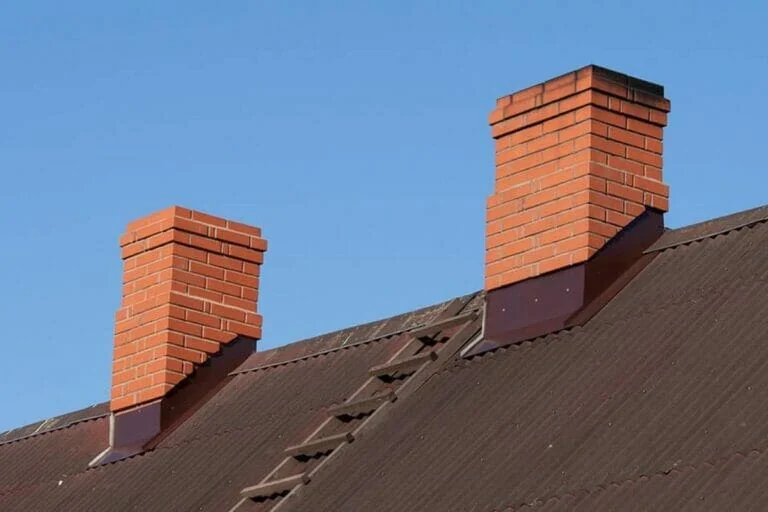
When it comes to maintaining a durable and weather-resistant roof, the importance of proper flashing around chimneys and skylights cannot be overstated. Flashing serves as a critical barrier that prevents water from seeping into vulnerable areas where the roof meets vertical structures. Without well-installed flashing, even the most robust roofing materials can fail, leading to leaks, water damage, and costly repairs. Homeowners often overlook these details, but understanding why flashing matters and how it functions can make a significant difference in the longevity and performance of a roof. This article delves into the crucial role flashing plays in protecting homes from the elements.
The importance of flashing explained
How Flashing Protects Against Water Intrusion
Flashing is a thin material, typically made from metal, that is installed at joints and intersections on a roof to direct water away from critical areas. Around chimneys and skylights, flashing acts as a shield, preventing rainwater from penetrating the seams where these structures meet the roof surface. Water intrusion is one of the most common causes of roof damage, and it often begins at these vulnerable points. When flashing is properly installed and maintained, it channels water safely down the roof and into the gutters, reducing the risk of leaks. Over time, exposure to harsh weather conditions can cause flashing to deteriorate, making regular inspections and timely repairs essential. Homeowners who neglect flashing details may find themselves facing interior water stains, mold growth, and even structural damage. The effectiveness of flashing is not just about the material used but also about the precision of its installation, as even small gaps or misalignments can compromise its protective function.
Common Problems Caused by Poor Flashing
Improper or deteriorated flashing around chimneys and skylights can lead to a host of problems that extend far beyond the roof itself. One of the most immediate issues is water leakage, which can manifest as damp spots on ceilings or walls inside the home. Over time, persistent leaks can cause insulation to become saturated, reducing its effectiveness and leading to higher energy bills. Moisture trapped within the roof structure can also promote the growth of mold and mildew, which pose health risks to occupants and can be difficult to eradicate. In some cases, water infiltration can cause wooden framing and decking to rot, compromising the structural integrity of the roof. For homeowners seeking reliable protection, choosing a reputable contractor for Roofing Wilmington NC projects ensures that flashing is installed with attention to detail, minimizing the risk of these common problems. Addressing flashing issues promptly can save significant time and money by preventing more extensive damage down the line.
Signs That Flashing Needs Attention
Detecting flashing problems early can make a significant difference in preventing costly repairs. Homeowners should be vigilant for signs such as visible rust or corrosion on metal flashing, cracked or missing sealant, and loose or displaced flashing pieces. Water stains on interior ceilings or walls, especially near chimneys or skylights, often indicate that water is bypassing the flashing and entering the home. During heavy rain, leaks may become more apparent, but even small drips should not be ignored. Another sign of trouble is the presence of debris or plant growth around flashing, which can trap moisture and accelerate deterioration. Regular roof inspections, especially after severe weather events, are crucial for identifying and addressing flashing issues before they escalate. Professional roofers can assess the condition of flashing and recommend repairs or replacements as needed, ensuring that the roof remains watertight and secure.
The Role of Professional Installation
Proper installation of flashing is a task that requires precision and knowledge of roofing systems. Each chimney and skylight presents unique challenges, as the angles and materials involved can vary widely. Professional roofers understand how to integrate flashing with different roofing materials, ensuring a seamless barrier against water intrusion. They use high-quality materials and proven techniques to create tight seals around vulnerable areas. Inadequate installation, on the other hand, can leave gaps or weak points that allow water to penetrate. Homeowners who attempt DIY flashing repairs may inadvertently create more problems if they lack the necessary skills and tools. Investing in professional installation not only protects the home from immediate leaks but also extends the lifespan of the entire roofing system. Regular maintenance and inspections by qualified roofers further ensure that flashing remains effective over time.
Flashing Maintenance in Coastal Climates
Homes located in coastal regions face unique challenges when it comes to roof maintenance. The combination of high humidity, salt air, and frequent storms can accelerate the deterioration of flashing materials. In these environments, it is especially important to choose corrosion-resistant flashing and to schedule regular inspections. Coastal weather can cause metal flashing to rust more quickly, leading to gaps and leaks. Homeowners should be proactive in addressing any signs of wear or damage, as the harsh conditions can turn minor issues into major problems in a short period. Working with roofing professionals who are familiar with local climate challenges ensures that flashing is installed and maintained to withstand the elements.
Flashing and Energy Efficiency
Properly installed flashing does more than just prevent water leaks; it also contributes to the overall energy efficiency of a home. When flashing is intact and functioning as intended, it helps maintain a consistent indoor temperature by preventing drafts and moisture infiltration. This reduces the workload on heating and cooling systems, leading to lower energy consumption and utility bills. In contrast, compromised flashing can allow air and moisture to enter the home, making it harder to regulate temperature and increasing energy costs. Homeowners who prioritize flashing maintenance not only protect their property from water damage but also enjoy the added benefit of improved energy efficiency. This makes flashing an important consideration for anyone looking to enhance the comfort and sustainability of their home.
Conclusion
Flashing details around chimneys and skylights play a vital role in safeguarding homes from water intrusion and the many problems it can cause. Properly installed and maintained flashing acts as a first line of defense against leaks, mold, and structural damage, while also contributing to energy efficiency. Homeowners who pay attention to the condition of their flashing and address issues promptly can avoid costly repairs and extend the life of their roofing system. Regular inspections, professional installation, and timely maintenance are key to ensuring that flashing continues to protect the home for years to come. By understanding the importance of these details, homeowners can make informed decisions that preserve the integrity and value of their property.
