
Running a busy trade or fabrication business means dealing with a massive inventory of heavy machinery, specialized tooling, and volatile supplies. As operations expand or job sites shift, keeping track of gear and maintaining an efficient warehouse footprint becomes a major operational hurdle.
When tool relocations are handled haphazardly, downtime costs stack up quickly. Fragile components get misaligned, expensive inventory goes missing, and site crews end up standing around waiting for essential equipment to arrive. Modern contractors are moving away from old-school, chaotic storage methods in favor of smarter, flexible strategies. Here are five clever ways forward-thinking trade businesses are optimizing their warehouse space and streamlining tool relocations.
1. Adopt Modular Vertical Staging
Square footage on a warehouse floor is prime real estate. Letting heavy tools, spare parts, and raw materials sprawl across open ground isn’t just wasteful—it creates severe congestion for forklift drivers and floor technicians.
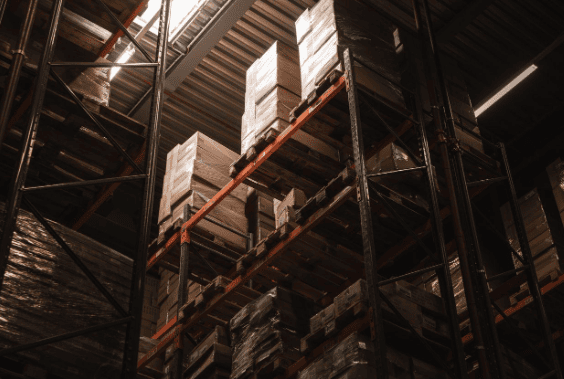
Upgrading to heavy-duty cantilever racking and vertical modular pods allows shops to utilize overhead space efficiently. Modular bins can be pre-packed by job type, allowing crews to grab an entire pre-staged rack of gear and load it directly onto a flatbed without sorting through loose tools. This keeps the main floor open for active machinery work while keeping tools organized and accessible.
2. Leverage Flexible Commercial Staging and Secure Storage
During major shop renovations, seasonal lulls, or large-scale commercial relocations, keeping high-value assets on an active, messy job site is a recipe for theft or moisture damage. Having an off-site operational buffer keeps your capital investments safe until project sites are ready.
Utilizing dedicated commercial solutions like moving & storage Calgary gives businesses access to secure vault storage, specialized packing materials, and flexible staging space tailored for heavy assets. Taking inspiration from family-centric logistics operations that prioritize stress-free relocations, utilizing an off-site warehouse reserve lets contractors store sensitive tools and heavy machinery securely without cluttering active work zones.
3. Streamline Industrial Gas and Welding Supply Chains
Managing compressed gas cylinders, welding power sources, and specialized filler metals requires strict safety compliance long before equipment ever moves between sites. Cylinders can’t simply be tossed together in a storage corner or loaded into an unequipped van.
Leading industrial shops simplify their gas management by building direct relationships with established distributors. Partnering with a reliable supplier like Josef Gas, your trusted ESAB supplier ensures access to high-performance welding equipment, filler metals, and industrial gases, backed by experienced local delivery and efficient cylinder exchange programs. Coordinating direct-to-site or scheduled warehouse deliveries removes the burden of managing volatile inventory transport in-house.
4. Implement Smart Asset Tracking and QR Mapping
Relying on dry-erase boards or paper logbooks to track tools moving between the warehouse and various job sites is an easy way to lose track of thousands of dollars in gear.
Modern shops use heavy-duty RFID tags or weather-resistant QR stickers paired with cloud management apps. Warehouse managers scan each item out to a specific vehicle or site lead. This real-time visibility prevents tool hoarding on job sites, reduces mysterious inventory loss, and ensures equipment maintenance schedules are tracked automatically based on field usage hours.
5. Standardize Custom Transport Crating and Protective Foam
Vibration during transport is a silent killer of precision equipment. Digital measuring tools, optical sensors, and auto-darkening welding shields can lose calibration or suffer circuit failure just from bouncing around in the back of a work truck.
Top-tier trade companies invest in custom-cut, high-density foam cases and heavy-duty transport crates designed for specific tool sets. Standardized outer crate dimensions allow warehouse teams to stack boxes perfectly like puzzle pieces inside transport vehicles, preventing load shifts and eliminating damage during transit. When every tool has a designated, shock-absorbing home, load-in and teardown times drop significantly.
