
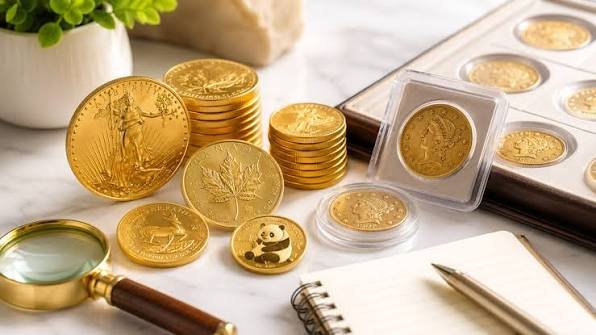
Yes. Bullion coins are generally valued around their verified gold content, while collectible coins may carry additional value based on scarcity, history, condition, and demand.
Some coins belong to both categories. A recognised bullion coin may also attract collectors because of a limited issue, special finish, unusual date, or desirable design.
Details Buyers Review Before Valuing a Gold Coin
Important details include:
- Country and issuing mint
- Date and visible mint mark
- Denomination and coin series
- Verified weight and gold purity
- Bullion or collectible classification
- Condition and evidence of cleaning
- Original packaging or certification
- Mintage and known rarity
- Current investor or collector demand
A coin should not be polished before evaluation. Cleaning may damage its original surface and reduce possible collector value.
Differences Between Bullion and Collectible Coin Value
The main difference is the source of the premium. Bullion premiums usually reflect metal demand and liquidity, while collectible premiums depend on numismatic interest.
Gold Content
Bullion coins are usually valued from verified gold content, weight, purity, daily metal price, and market demand.
Government mint recognition and standard sizes can support liquidity, but the metal value remains the main reference.
Collector Premium
Collectible coins may carry value beyond their metal content because buyers also consider scarcity and collector demand.
A rare coin with modest gold content can sell above melt value when collectors compete for its date, type, or variety.
Date and Mint
Mint, year, denomination, production total, and known varieties can influence demand for a collectible gold coin.
Two coins with equal gold content may receive different offers when one date is scarcer or historically important.
Physical Condition
Bullion buyers may accept light handling marks when weight and authenticity remain clear. Severe damage can add risk.
Collectors often judge wear, scratches, cleaning, lustre, and surface quality because condition affects the grade.
Authentication Needs
Recognised bullion coins may be easier to verify through weight, dimensions, security details, and official specifications.
Rare coins may need specialist authentication or grading before a buyer can support a premium above their gold value.
Buyer Market
Bullion usually serves investors seeking physical gold, while collectible coins attract hobbyists and specialist dealers.
The available buyer network affects liquidity. A strong collector market may be required to realise a numismatic premium.
Overlapping Value
Some popular gold coins appeal to both investors and collectors because they combine recognised gold content with history.
Their offer may include metal value plus a premium, but that premium depends on condition, issue, rarity, and demand.
The basic differences can be summarised as follows:
| Factor | Bullion coin | Collectible coin |
| Main value | Gold content | Rarity and demand |
| Price reference | Current gold market | Comparable collector sales |
| Condition impact | Usually moderate | Often significant |
| Typical buyer | Bullion dealer or investor | Coin collector or specialist |
| Premium | Usually market based | Can vary widely |
Steps Used to Evaluate a Gold Coin
A proper evaluation should identify the coin, verify its authenticity, and determine whether any collectible premium is supported.
Identify the Exact Coin
Begin with the coin’s country, denomination, date, mint mark, design, and inscriptions. Small details can change value.
Avoid assuming that two similar-looking coins are identical. A variety or mint mark may require separate research.
Verify Authenticity
Confirm authenticity and gold content with suitable non-destructive checks before relying on a melt-value estimate.
Weight, dimensions, magnet screening, and professional testing can reveal inconsistencies that need closer review.
Check Weight and Dimensions
Compare the measured weight and diameter with reliable specifications for that exact coin, year, and denomination.
Wear may slightly affect measurements, but a major difference can raise concerns about damage or authenticity.
Research Rarity
Research mintage, surviving population, known varieties, and demand for the exact issue instead of the series alone.
A common date may trade near metal value, while a scarce date from the same design can attract collector interest.
Review the Condition
Inspect surfaces for wear, scratches, rim damage, cleaning, mounting marks, and altered details before estimating grade.
Do not polish the coin. Cleaning can remove original surfaces and reduce the premium a collector may have paid.
Compare Recent Sales
Review recent sales for the same date, mint, variety, and comparable condition. Asking prices may not reflect real value.
Market references should be current because collector demand and bullion prices can move in different directions.
Choose a Suitable Buyer
Choose a buyer who handles the relevant market. A bullion dealer may not specialise in rare or historical coins.
Ask whether the offer reflects melt value, collectible value, or both. The explanation should match the coin reviewed.
Information to Request Before Selling
A clear offer should show whether the coin is being valued as bullion, a collectible, or a combination of both.
- Exact coin identification
- Verified weight and purity
- Current gold price used
- Estimated melt value
- Condition or grade assessment
- Evidence supporting rarity
- Comparable sale references
- Separate numismatic premium
- Length of time the offer remains valid
Avoid accepting a collectible premium based only on an online asking price. Completed sales and specialist demand provide stronger evidence of market value.
Conclusion
Gold bullion coins are valued mainly through verified metal content, purity, weight, and current gold prices. Collectible coins may add premiums for rarity, date, mint, condition, and demand. Some coins fit both categories, so sellers should request an offer that separates melt value from any supported numismatic premium.
