
Essential Equipment for Preparing a Large House for Moving
Preparing to move a large house requires careful planning, proper organisation, and the right equipment. Unlike moving from a small apartment, relocating a large household often involves several bedrooms, heavy furniture, kitchen appliances, electronics, decorative items, and hundreds of personal belongings. Without suitable tools and equipment, the process can become physically exhausting, time-consuming, and difficult to manage.
Having the necessary moving supplies before the relocation begins can make a significant difference. From measuring tools and furniture dollies to protective packing materials and lifting equipment, each item serves a specific purpose. Choosing the right equipment also helps prevent injuries, protect valuable belongings, and make loading and unloading more efficient.
1. Measuring Tape and Digital Measuring Tools
Accurate measurements are essential when preparing for a large residential move. Before moving day, homeowners should measure large furniture pieces, doorways, hallways, staircases, and entrance openings. This helps determine whether bulky items can pass through narrow spaces without causing damage.
A traditional measuring tape is useful for checking furniture dimensions and available space. Digital measuring tools can provide quick and accurate measurements, especially when dealing with larger rooms or complicated layouts.
Measuring the interior dimensions of the moving truck is equally important. It allows homeowners to estimate how much space will be available and plan the loading arrangement accordingly. Proper measurements can prevent unexpected problems when transporting large sofas, wardrobes, refrigerators, and other household items.
2. Furniture Dollies and Moving Sliders
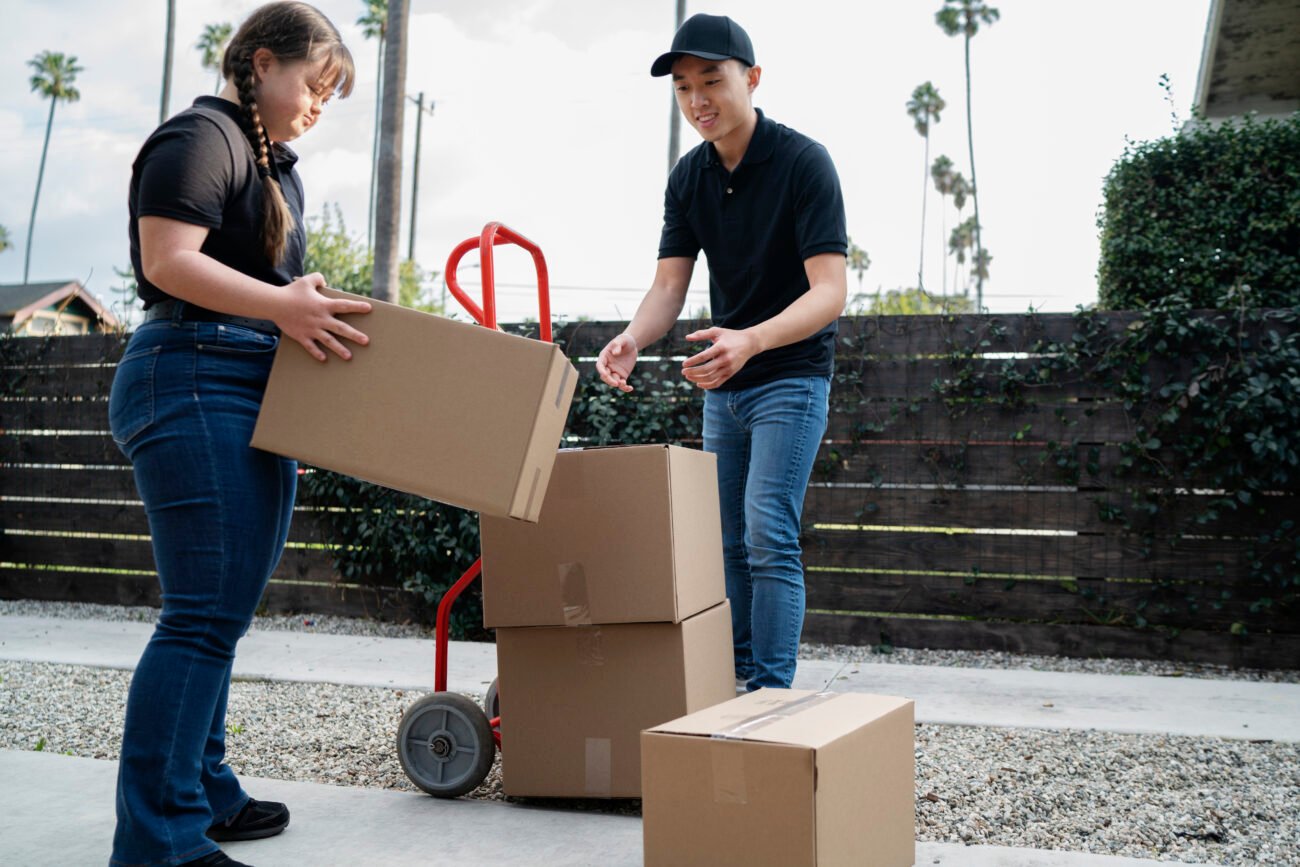
Moving heavy furniture without appropriate equipment can damage floors and increase the risk of injuries. Furniture dollies are designed to make transporting bulky objects easier by distributing their weight across a wheeled platform.
They are particularly useful for moving cabinets, washing machines, refrigerators, sofas, and large storage units. Appliance dollies often include straps that help secure heavy equipment during transportation.
Furniture sliders serve a different purpose. They are placed underneath furniture legs or corners, allowing heavy objects to move across floors with less friction. They are especially helpful on hardwood, laminate, and tiled surfaces.
Using these tools correctly can reduce physical effort and help protect both furniture and flooring during relocation.
3. Packing Materials and Protective Supplies
Packing is one of the most time-consuming parts of preparing a large house for moving. Different household belongings require different levels of protection, making it important to have a variety of packing materials available.
Essential supplies include:
- Strong cardboard boxes in different sizes
- Heavy-duty packing tape and tape dispensers
- Bubble wrap for fragile items
- Stretch film for securing furniture
- Protective moving blankets
- Packing paper for dishes and glassware
- Permanent markers for identifying boxes
Fragile kitchenware, glass decorations, mirrors, and electronic devices should receive additional protection. Furniture can be wrapped in moving blankets or stretch film to prevent scratches, dust, and other damage.
It is also useful to avoid overfilling boxes. Heavy belongings should generally be placed in smaller boxes, while lighter items can be packed in larger containers. This makes boxes easier to lift and reduces the possibility of their bottoms breaking during transportation.
4. Basic Hand Tools for Furniture Disassembly
Large household furniture is not always easy to transport in its original condition. Beds, dining tables, wardrobes, desks, and shelving units may need to be partially disassembled before they can be moved safely.
A basic toolkit should include screwdrivers, Allen keys, adjustable wrenches, pliers, and a small hammer. These tools help remove furniture legs, detach shelves, loosen bolts, and separate different components.
Homeowners should keep screws, bolts, brackets, and other small hardware in labelled plastic bags. Each bag should be marked with the corresponding furniture item to make reassembly easier.
Taking photographs before disassembling complicated furniture can also be helpful. These pictures provide a visual reference when putting everything back together at the new property.
5. Lifting Straps and Protective Work Gloves
Lifting heavy objects requires proper technique and suitable equipment. Lifting straps can help distribute weight between two people, making certain bulky items easier to carry through hallways, staircases, and doorways.
However, these straps should only be used by people who understand how to operate them correctly. Incorrect positioning or lifting techniques can still result in injuries.
Protective work gloves are another useful addition to a moving equipment kit. They improve grip when handling furniture, cardboard boxes, and appliances while helping protect hands against splinters, sharp edges, and rough surfaces.
Wearing comfortable, non-slip footwear is also recommended, particularly when carrying heavy objects or working around loading areas.
6. Labels and Inventory Management Supplies
When moving an entire household, keeping track of belongings can become challenging. Without a proper labelling system, homeowners may struggle to identify which boxes contain kitchen supplies, bedroom accessories, office equipment, or fragile decorations.
Coloured stickers, permanent markers, notebooks, and digital inventory applications can simplify this process.
A practical system involves assigning a different colour to each room. For example, blue labels can represent the kitchen, green can identify bedroom items, and yellow can be used for living room belongings.
Every box should also include a brief description of its contents and any special handling instructions. Clearly labelling boxes as fragile or indicating which side should remain upright can help prevent accidental damage.
7. Professional Residential Movers vs Renting Specialized Equipment
When planning a large residential relocation, homeowners often have to decide whether to hire professional movers or rent specialized equipment and manage the process themselves. Both options can be practical, but the right choice depends on the household size, moving distance, available time, budget, and amount of furniture involved.
Hiring residential moving services Kitchener can be a convenient solution for large households, long-distance relocations, and properties containing bulky or fragile belongings. Professional moving companies generally provide trained personnel, transportation, and specialized equipment such as furniture dollies, lifting straps, and protective blankets.
Depending on the selected package, movers may also assist with packing, furniture disassembly, loading, transportation, and unloading. Although professional assistance usually involves a higher initial expense, it reduces the physical workload and can minimize the risk of damage caused by improper handling.
Renting specialized moving equipment can be a more economical alternative for homeowners who prefer a DIY relocation. Available rental equipment may include furniture dollies, appliance carts, moving ramps, lifting equipment, and cargo vans or moving trucks.
This approach provides greater control over the moving schedule and allows homeowners to organize the relocation according to their preferences. However, they must arrange enough helpers, manage transportation, and understand how to handle heavy objects safely. It is also important to consider equipment rental fees, deposits, fuel expenses, and possible damage charges.
For a small apartment with limited furniture, renting equipment may be sufficient. However, for a large house with several bedrooms, heavy appliances, and delicate furniture, hiring professional movers is often a more practical option.
8. How to Prepare Equipment Before Moving Day
Having the right equipment is only useful when everything is properly organised before moving day. Homeowners should prepare a checklist several days in advance and identify which tools and supplies will be required.
Start by inspecting furniture and deciding which items need disassembly. Purchase or rent packing materials, check the condition of dollies and lifting straps, and ensure that the moving vehicle has enough capacity.
It is also helpful to pack non-essential belongings first and leave everyday necessities accessible until the final day. Keep important documents, medication, chargers, keys, and personal valuables in a separate bag that travels with the homeowner.
If professional movers are involved, confirm their arrival time, included services, transportation arrangements, and any special requirements for oversized items.
Conclusion
Preparing a large house for relocation involves more than simply packing belongings into cardboard boxes. Measuring tools, furniture dollies, packing materials, hand tools, lifting straps, and inventory supplies all contribute to a safer and more organised moving experience.
Homeowners should evaluate their household requirements, available budget, and moving schedule before deciding whether to rent equipment or hire professional movers. With proper preparation and the right equipment, even a complicated residential relocation can become considerably easier and more manageable.
READ: https://elightmag.com/
