
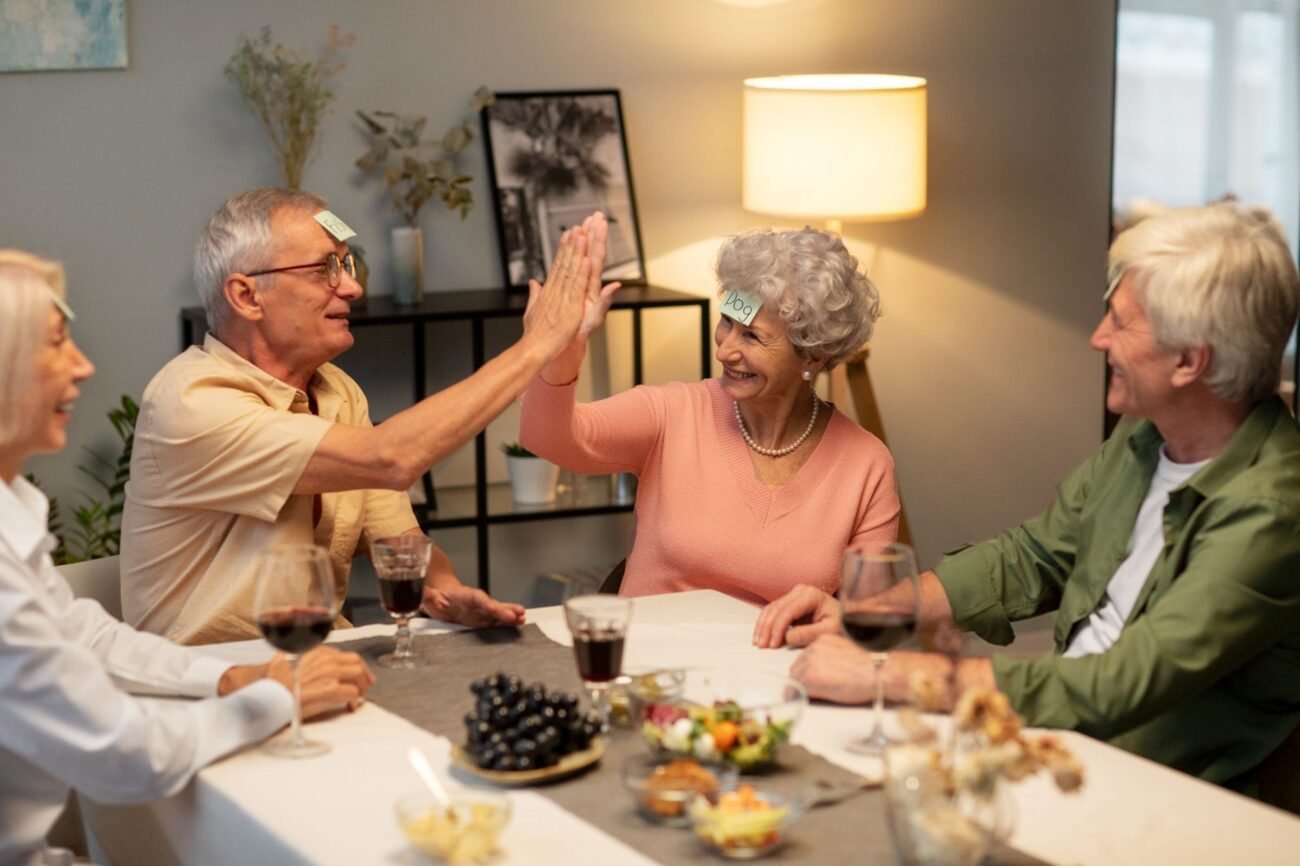
Social isolation among older adults has become a significant public health concern, with many seniors experiencing loneliness that impacts their physical and mental wellbeing. The quality of senior care services directly influences whether an older person feels connected to their community or withdrawn from meaningful relationships. Understanding how senior care reduces isolation requires examining the various ways caregiving interventions create opportunities for social engagement, emotional support, and purposeful daily interaction. When seniors receive comprehensive care that prioritizes connection alongside basic needs, the outcome is often improved quality of life and greater resilience against the negative effects of loneliness.
Creating Structured Social Opportunities
Senior care services provide scheduled activities and social programs that give older adults regular reasons to interact with peers and caregivers. Whether through assisted living communities, day programs, or in-home care coordination, these structured opportunities replace the unplanned social contact that many retired individuals once had through work and daily routines. Care facilities often organize group meals, recreational activities, hobby clubs, and educational workshops that bring seniors together in welcoming environments. For example, a memory care facility might host weekly game nights or art classes where residents naturally engage with one another while pursuing enjoyable activities. These regular gatherings create consistency in social interaction, which helps combat the randomness and unpredictability that often lead to isolation. When seniors know they have meaningful activities planned, they have motivation to maintain their daily routines and remain connected to their community.
Facilitating Intergenerational Connections
Senior care programs increasingly recognize the value of connecting older adults with younger generations, creating mutually beneficial relationships that reduce isolation on both sides. Many care facilities and community organizations coordinate volunteer programs, mentoring opportunities, and youth partnerships that bring children, teenagers, and young adults into regular contact with seniors. For instance, local schools might arrange visits where students read to residents, perform music, or listen to stories from older adults who share their life experiences. These interactions provide seniors with a sense of purpose and relevance, reminding them that they have knowledge and wisdom to share. Young people, in turn, gain perspective and emotional connection from meaningful relationships with older adults. The bridge between generations strengthens the social fabric of communities while directly addressing the isolation that seniors experience when they feel forgotten or disconnected from the wider world.
Improving Mental and Physical Health Through Connection
The relationship between social isolation and poor health outcomes is well documented, making senior care’s role in facilitating connection a critical health intervention. When older adults have regular social contact and emotional support, their stress levels decrease, which improves cardiovascular health, cognitive function, and overall immune response. Caregivers trained in recognizing the signs of isolation can intervene early by encouraging participation in activities, facilitating visits with family and friends, and creating one-on-one connections with seniors who struggle with group settings. For example, a home care aide might spend time talking with a client during meal preparation, asking about their interests and memories while accomplishing care tasks. This simultaneous approach to caregiving ensures that emotional connection happens naturally within the context of daily support. Families searching for communities that deliver this kind of holistic, connection-centered support rely on Rittenhouse Village Lehigh Valley to help their loved ones feel genuinely heard, valued, and engaged every day, resulting in measurable improvements in mood, appetite, sleep quality, and motivation to engage with others.
Building Family and Community Partnerships
Effective senior care extends beyond direct services to actively engage family members and community resources in supporting the older adult’s social wellbeing. Care coordinators often facilitate conversations between seniors, their family members, and community organizations to identify opportunities for meaningful connection. This might involve helping arrange regular family video calls, connecting seniors with volunteer opportunities that match their interests, or introducing them to community groups focused on shared hobbies. For example, a senior interested in gardening might be connected with a local horticultural society or community garden project, providing both social interaction and purposeful activity. When care providers understand the senior’s personal history, values, and preferences, they can make thoughtful introductions that feel natural rather than obligatory. This holistic approach recognizes that reducing isolation requires collaboration among caregivers, family, and community members who all play a role in the senior’s social network.
Supporting Digital Connectivity
Modern senior care recognizes that technology offers valuable tools for maintaining long-distance relationships and accessing virtual communities. Caregivers who are trained in helping seniors use smartphones, tablets, and computers enable video calls with distant grandchildren, participation in online interest groups, and virtual classes tailored to older adults. For example, a senior who loves photography might join an online community dedicated to the hobby, participating in discussions and sharing their own images with peers who share their passion. This digital access removes geographical barriers to connection, allowing seniors to maintain relationships that might otherwise fade due to physical distance. Care providers often serve as patient guides, helping seniors troubleshoot technology issues and encouraging regular use of these tools. When combined with in-person social activities, digital connectivity expands the universe of relationships available to isolated seniors.
Conclusion
Senior care plays an essential and multifaceted role in reducing isolation by creating structured social opportunities, facilitating connections across generations, improving health outcomes, building partnerships with family and community, and enabling digital engagement. When senior care services prioritize social connection as a core component of overall wellbeing alongside medical and personal assistance, older adults experience meaningful improvements in their quality of life. The evidence clearly shows that isolated seniors face greater risk of depression, cognitive decline, and physical health problems, making connection a vital element of care. By recognizing isolation as a health issue worthy of attention and intervention, senior care providers acknowledge that being cared for is about more than managing basic needs. It is about helping people feel valued, included, and connected to a community that views them as important members. When seniors receive care that addresses their social wellbeing with the same dedication given to their physical health, the result is a more fulfilling, purposeful, and resilient later life.
