
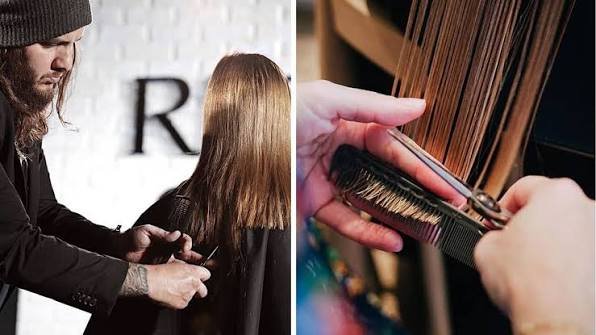
Choosing between a dry cut and a wet cut may seem like a small decision, but the technique can influence how your hairstyle falls, how easily you manage it at home and how well it suits your natural texture. Both methods offer distinct advantages, and the right choice depends on your hair type, desired length, styling habits and preferred finish. A professional hair salon can assess these factors before recommending an approach that complements your features and everyday routine. Understanding your options before booking an appointment can also help you communicate your expectations clearly and avoid disappointment with the finished style.
In Singapore, humidity adds another consideration to haircutting decisions. Heat and moisture can make wavy or curly hair expand, increase frizz and change the way layers sit throughout the day. A cut that looks polished immediately after blow-drying may behave differently once you step outdoors or allow your hair to dry naturally. Understanding the differences between wet and dry cutting helps you choose a technique that works beyond the salon chair. Whether you want a precise bob, softer layers, manageable curls or a style that requires minimal daily effort, knowing what each method offers can help you achieve a more suitable result. Considering your natural texture, maintenance preferences and daily styling routine will make it easier to select a haircut that remains practical, flattering and manageable.
What Is a Wet Haircut?
A wet haircut is performed when the hair has been washed or dampened with water. Hair is generally easier to comb into sections when wet, allowing the stylist to establish clear lines and control the shape of the cut. This technique is widely used for classic styles and haircuts that require consistent lengths.
Wet cutting is particularly useful when accuracy and structure are important. However, hair can appear longer when wet because its natural texture and volume are less visible. Some hair types also shrink as they dry, so an experienced stylist needs to account for the way the hair naturally behaves.
Common benefits of wet cutting include:
- Precise lines: Useful for blunt bobs, straight fringes and clean perimeter shapes.
- Consistent sectioning: Helps the stylist control length and balance across different areas.
- Efficient shaping: Can make it easier to establish the foundation of layered or structured hairstyles.
- Suitable preparation: Works well when the haircut involves washing, conditioning and blow-drying as part of the appointment.
For people with straight or slightly wavy hair, wet cutting can produce a neat, controlled foundation. The final result still depends on the stylist’s technique and how the hair is finished.
What Is a Dry Haircut?
A dry haircut is performed when the hair is dry and close to the way the client normally wears it. Instead of relying only on how the hair sits when wet, the stylist can see its natural movement, volume, parting and texture throughout the cutting process.
This method can be particularly helpful for curly, wavy or textured hair, where shrinkage and uneven curl patterns may affect the finished length. It also allows the stylist to observe how individual sections fall around the face and whether certain areas appear heavier or flatter than others.
Key advantages of dry cutting include:
- Visible natural texture: The stylist can assess curls, waves and movement before removing length.
- Better control of volume: Bulky areas can be refined while the hair remains in its natural state.
- Personalised shaping: Layers can be adjusted according to how the hair falls around the face and shoulders.
- Realistic results: Clients can see the shape developing in a condition closer to their everyday hairstyle.
Dry cutting is not automatically better for every person. Very precise geometric styles may still benefit from wet cutting, while some haircuts achieve the best results through a combination of both methods.
Dry Cut vs Wet Cut: The Main Differences
Although both methods can create attractive hairstyles, they differ in how the stylist assesses length, texture and shape. Your choice should depend on the result you want rather than the assumption that one technique is always superior.
| Factor | Wet cut | Dry cut |
| Hair condition | Damp or wet | Dry and naturally settled |
| Main advantage | Control and precise lines | Visibility of natural movement |
| Often suitable for | Blunt cuts, structured styles and clean outlines | Curls, waves and texture-led styles |
| Shrinkage assessment | Requires the stylist to anticipate how hair will dry | Natural shrinkage is easier to observe |
| Styling considerations | May need dry styling to assess the final shape | Can be assessed closer to its usual appearance |
| Best approach | Useful when structure and evenness are priorities | Useful when natural texture and movement matter |
Some appointments combine the two techniques. A stylist might establish the main length on damp hair, then refine the layers or remove excess weight once the hair has dried. This can be especially helpful when precision and natural movement are equally important.
Which Technique Works Best for Your Hair Type?
Hair texture, density and growth patterns can influence how a cut looks after you leave the salon. Before choosing a method, consider how your hair behaves without heat styling and how much time you want to spend maintaining it.
Straight and Fine Hair
Straight hair often shows uneven lines clearly, making wet cutting a practical choice for blunt bobs, neat fringes and defined shapes. Fine hair may also benefit from carefully planned layers that create movement without removing too much fullness.
If your hair tends to lie flat in Singapore’s humid weather, discuss whether a lighter shape around the crown or face could help it appear less weighed down. Too many layers, however, may make fine ends look thinner.
Wavy Hair
Wavy hair can look different when wet compared with when it has dried naturally. A wet cut can establish the overall shape, while dry refinement helps the stylist see where waves gather, separate or create unwanted bulk.
If you usually air-dry your hair, explain this during your consultation. A haircut designed around a smooth blow-dry may not deliver the same result when your natural waves return.
Curly and Coily Hair
Curly and coily hair often experiences noticeable shrinkage, meaning the dry length can be shorter than the stretched length. Dry cutting allows the stylist to assess individual curl patterns and adjust the shape according to how the hair naturally sits.
A curl-aware approach is especially useful for balancing volume and avoiding a shape that appears uneven after washing. Some stylists may still dampen selected sections or combine techniques, depending on the curl pattern and desired finish.
Thick or Dense Hair
Thick hair can benefit from strategic weight removal, but excessive thinning may create unwanted frizz or make the ends appear uneven. Wet cutting can help establish a balanced outline, while dry refinement can reveal areas that still feel bulky once the hair settles.
The objective is not simply to remove as much weight as possible. A suitable haircut should distribute volume in a way that works with your face shape, texture and preferred styling routine.
Why Singapore’s Humid Climate Matters
Singapore’s warm, humid conditions can influence how a hairstyle behaves after a haircut. Hair that has been blow-dried smooth in an air-conditioned salon may respond differently when exposed to outdoor moisture. Wavy and curly textures can become more pronounced, while some fine hair may lose volume as the day progresses.
Choosing a suitable cutting technique can help your stylist account for these changes, although no haircut can eliminate humidity-related frizz completely.
To make your haircut easier to manage in Singapore, consider these practical tips:
- Explain your usual routine: Tell your stylist whether you air-dry, blow-dry or use straighteners most days.
- Show your natural texture: Arrive with your hair in its usual state where practical, particularly if you want a texture-led cut.
- Discuss unwanted volume: Point out areas that become puffy or difficult to control after spending time outdoors.
- Choose realistic layers: Layers should complement your natural movement rather than rely entirely on salon styling.
- Use suitable aftercare: A lightweight leave-in conditioner or anti-frizz product may help improve manageability without weighing down fine hair.
A well-planned haircut should work with your natural hair behaviour instead of requiring constant correction whenever the weather changes.
Can a Wet Cut and Dry Cut Be Combined?
Yes. Combining both techniques can be useful when a hairstyle needs a precise foundation as well as natural movement. The stylist may cut the main outline while the hair is damp, dry it to observe how it settles, and then make small adjustments to the shape.
This approach can work well for layered haircuts, textured bobs and styles that need to look balanced both when freshly styled and during everyday wear. It also gives the stylist an opportunity to check whether the fringe, sides and back sit as intended.
Before the appointment, consider sharing:
- Reference photographs: Bring pictures showing the front, sides and back of your preferred hairstyle.
- Your styling preferences: Explain whether you prefer a polished blow-dry or a low-maintenance, natural finish.
- Past haircut concerns: Mention uneven layers, excessive bulk, flat roots or ends that turn out shorter than expected.
- Your maintenance expectations: Discuss how frequently you are willing to return for trims and how much styling you want to do at home.
Clear communication helps your stylist select the appropriate technique and agree on a realistic result.
Choosing a Hair Salon for the Right Haircut
The quality of a haircut depends on more than whether the stylist works on wet or dry hair. Understanding hair texture, listening to the client’s preferences and explaining the proposed shape are equally important. A good consultation should cover your current hair condition, usual routine and any concerns about how the cut will look once it settles.
Blonde & Pastel Hair Salon in Singapore offers haircutting and styling services alongside colour treatments, hair treatments and scalp care. Its website highlights personalised hair services, making a consultation a useful starting point for discussing how your preferred haircut fits your hair’s condition and styling goals. The salon also lists K18 treatment services and options for concerns such as dry or oily scalps.
If you are planning a significant change, discuss the haircut and any colour or chemical services together. For example, adding highlights or changing your hair colour may affect how the finished style looks, so planning the overall result can help you make a more informed decision.
Final Thoughts
Choosing between a dry cut and a wet cut is less about finding one universally superior technique and more about understanding what your hair needs. Wet cutting offers control and precision for structured styles, while dry cutting helps reveal natural texture, movement and shrinkage. For many people, combining the two methods can provide a useful balance between a clean outline and a finish that works with the hair’s natural behaviour. In Singapore, where humidity can affect volume, waves and frizz, it is particularly important to choose a haircut that remains manageable outside the salon. Think about how you usually style your hair, how much maintenance you prefer and which areas give you the most trouble before your appointment. These details help your stylist create a shape that fits your lifestyle rather than relying on a temporary salon finish.
A consultation is also an opportunity to discuss hair condition, treatments and any plans for colouring or styling changes. If you are exploring professional hair care options, visit blondeandpastelhairsalon.sg to learn more about Blonde & Pastel Hair Salon’s services and discuss your preferred look with the team. With the right technique, clear communication and suitable home care, your haircut can feel more natural, look balanced and be easier to maintain every day.
Frequently Asked Questions
1. Is a dry cut better than a wet cut for curly hair?
A dry cut can help the stylist see the natural curl pattern and account for shrinkage before removing length. However, the best technique depends on the curl type, desired shape and stylist’s experience. Some curly haircuts benefit from a combination of wet and dry cutting.
2. Does a wet haircut make hair shorter than expected?
Hair can appear longer when wet because its natural texture and shrinkage are less visible. An experienced stylist accounts for how it will sit once dry and may leave extra length when needed. Discuss your preferred finished length before cutting begins.
3. Which haircutting technique is best for frizzy hair in Singapore?
Neither method automatically prevents frizz, as humidity, hair condition and natural texture all play a role. A cut designed around your natural movement may make the hair easier to manage. Suitable conditioning products and gentle drying habits can also help.
4. Can I request a dry cut at every salon appointment?
You can ask, but the stylist may recommend another method depending on the haircut you want. Precise outlines may be easier to establish on damp hair, while dry refinement can help with texture and movement. Discuss the reasons for the recommendation before the service begins.
5. How often should I get my hair trimmed?
Many people benefit from a trim every six to eight weeks, but the ideal interval varies with hair length, condition and style. Short, structured cuts may need more frequent maintenance, while longer styles can often go longer between appointments. Your stylist can suggest a schedule that suits your needs.
